
Next course to run 1st December 2026
Options to enrol will be available from October
Cost Veterinary Surgeons £300 Veterinary Nurses £225 Veterinary Students £150 – SEE DISCOUNTS BELOW
Special early bird offer – see below
You can sign up- but course officially starts on 1st December
COURSE IS CLOSED- NEW COURSE TO LAUNCH IN OCTOBER
Zoo and wildlife veterinary medicine demands expertise across a wide range of species and disciplines. This course, Introduction to Zoo Veterinary Medicine, gives veterinary surgeons, nurses, and students a structured foundation in the principles and practices of zoological medicine. Because we deliver the course entirely online, it provides the flexibility and accessibility busy professionals need while remaining more cost‑effective than traditional in‑person training

Introduction to Zoo Veterinary Medicine for Vets- September 26
Introduction to Zoo Veterinary Medicine for Veterinary Surgeons

Introduction to Zoo Veterinary Medicine – RVN- September 26
Introduction to Zoo Medicine – RVN price

Introduction to Zoo Veterinary Medicine – vet students – September 26
Introduction to Zoo Medicine – Vet Student price
Introduction to Zoo Veterinary Medicine – vet students – June
Introduction to Zoo Medicine – Vet Student price
Introduction to Zoo Veterinary Medicine – RVN- June
Introduction to Zoo Medicine – RVN price
Introduction to Zoo Veterinary Medicine for Vets- June
Introduction to Zoo Veterinary Medicine for Veterinary Surgeons
Course content
The course is structured around a series of lectures covering core areas of zoo veterinary medicine:
- Preventative health
- Health and anaesthesia of big cats
- Health and anaesthesia of zoo equids
- Common health conditions of captive penguins
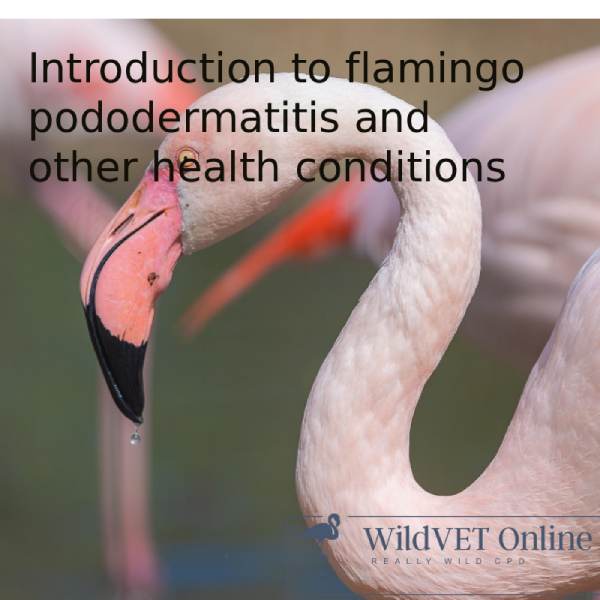
- Health checks with a focus on pododermatitis in captive flamingos and other waders
- Contraception and reproductive planning in zoos
- Common conditions of zoo ruminants and health planning including anaesthesia
- Emergency protocols
- Introduction to primate medicine and anaesthesia
- Basic nutrition of common species
- Body condition scoring



Outcomes
By the end of this course, participants will:
- Develop a broad understanding of zoological medicine across multiple taxa.
- Gain practical insights into health planning, anaesthesia, and emergency protocols.
- Strengthen their ability to contribute to animal welfare and conservation initiatives.
- Build confidence in managing complex cases within zoo and wildlife settings.
This course provides a valuable first step into the diverse and challenging world of zoo veterinary medicine, equipping professionals and students alike with the knowledge to advance their careers and improve standards of care for captive and managed wildlife.